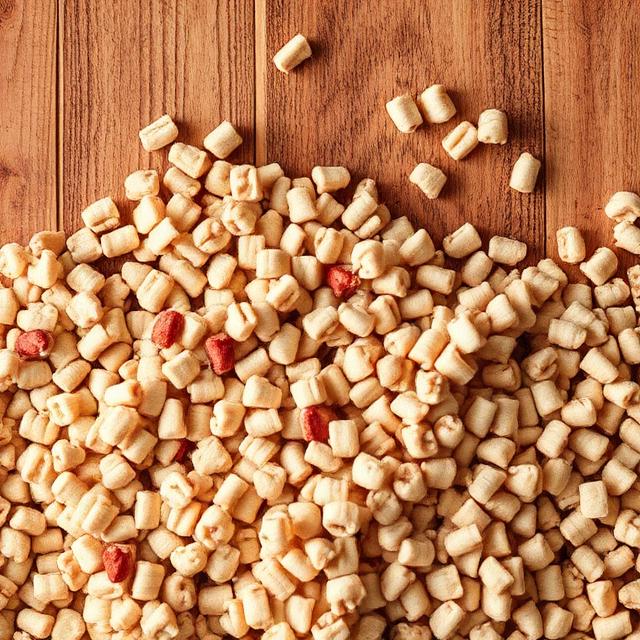
A whole‑food pantry doesn’t require a purge. It’s a series of swaps that make weeknight meals easier and more nourishing.
Swap 1: grains you actually use
Add oats, brown rice, quinoa, or barley.
Store in clear containers so you see them.
Swap 2: canned proteins
Beans, lentils, tuna, salmon.
Rinse beans to reduce sodium and improve taste.
Swap 3: better sauces
Olive oil, vinegar, mustard, salsa.
A good sauce makes simple food feel complete.
Swap 4: freezer helpers
Frozen vegetables, berries, chopped greens.
They save time without sacrificing quality.
Swap 5: snack structure
Nuts, seeds, plain yogurt, fruit.
Pair fiber + protein so snacks satisfy.
Swap 6: herbs and spices
Cumin, paprika, garlic, cinnamon.
Flavor helps habits last.
Swap 7: a default meal
Pick one ‘default’ dinner you can repeat: sheet‑pan veg + protein + grain.
Write it on a note you can see.
Quick checklist
- 3 grains stocked
- 2 canned proteins
- 2 sauces you love
- Freezer vegetables
- Default dinner chosen
Bottom line: Build the pantry around what you’ll cook, not what looks healthy on a checklist.
Support consistency
Vitality comes from foundations you can repeat: steady meals, hydration cues, light movement, and enough recovery.
- Keep it boring on purpose: repeat 2–3 “default” meals or snacks.
- Anchor your day: choose one morning and one afternoon routine you can keep even when travel or work spikes.
- Measure by energy: notice steadiness, not just numbers.
Gentle upgrades
Once the baseline is stable, upgrade one detail at a time—fiber, protein, steps, or bedtime consistency.
Note: This site shares general lifestyle information and is not a substitute for professional medical advice.